
A Poland work permit for a job longer than three months now costs PLN 400 in government fees, up from PLN 100 before 1 December 2025. That fee is non-refundable whether or not the permit is granted. Everything beyond it, the visa fee, the residence card later, and any consultancy charge, is a separate line you should be able to see itemized.
Most cost guides for this route are still quoting the old fees. Here is the current money trail, in the order you meet it.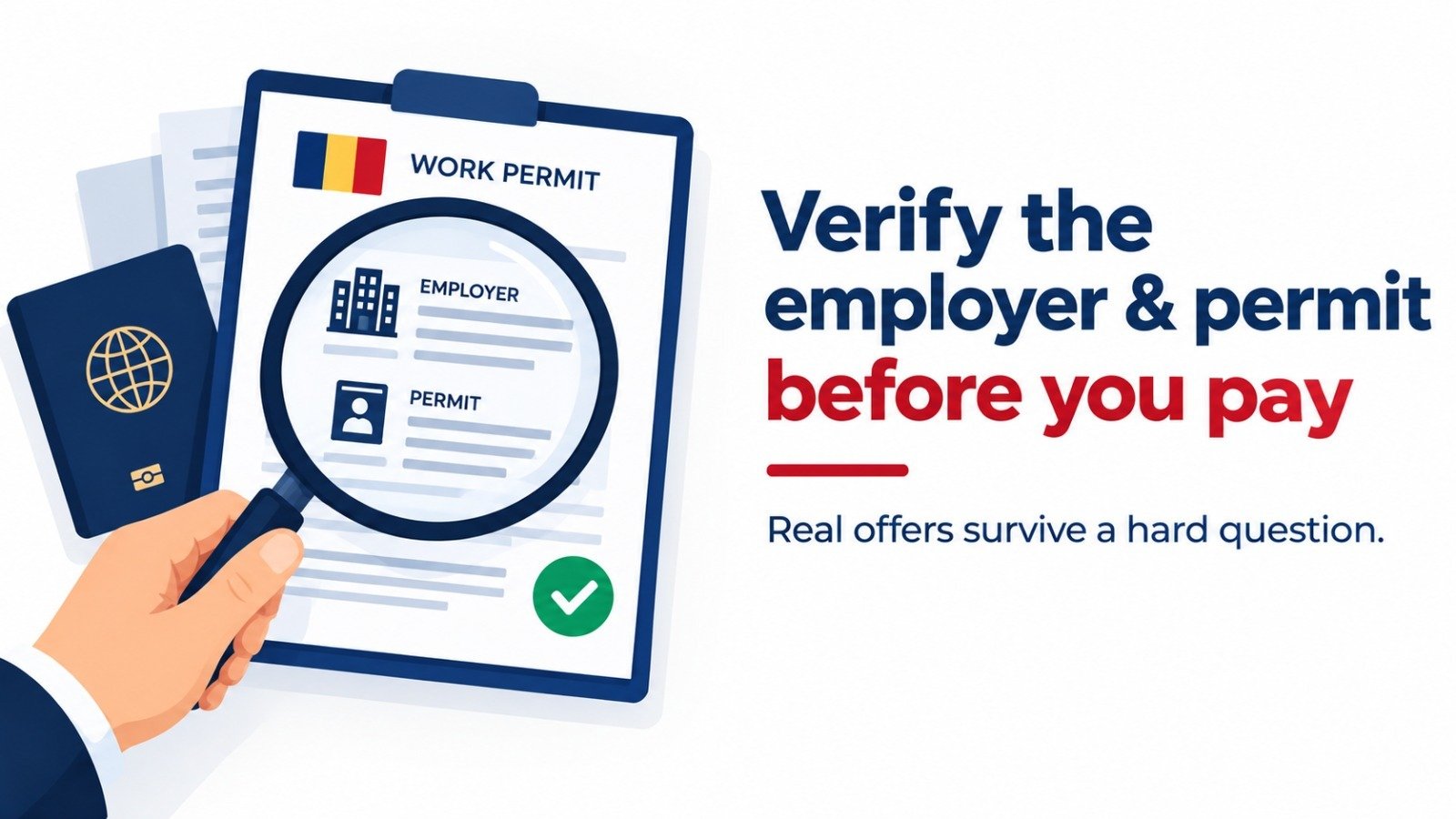
What Changed in December 2025?
Poland raised work permit fees roughly fourfold. According to the European Commission’s Migration and Home Affairs portal, the new schedule is:
• Work permit up to 3 months: PLN 200, previously PLN 50
• Work permit longer than 3 months: PLN 400, previously PLN 100
• Delegated worker permit: PLN 800, previously PLN 100
• Seasonal work permit: PLN 100, unchanged
The fee for a declaration on entrusting work to a foreigner also rose from PLN 100 to PLN 400.
For a standard factory, warehouse or general-labor contract, PLN 400 is your figure. If a quote you have been given still references PLN 100, it was built on pre-December 2025 information and everything else in it deserves a second look.
Why Does “Non-Refundable” Matter So Much?
Because it changes what a rejected application costs you. The fee pays for the decision, not the outcome. If the permit is refused, the money is gone.
This is the strongest financial argument for getting the file right the first time rather than submitting quickly and hoping. It is also why the quality of document preparation is worth paying for, which is a different thing from paying for speed.
The most common causes of refusal are avoidable paperwork problems, covered in what actually gets a Poland work permit rejected.
What Is the Second Cost, the Visa?
Once the permit is issued, you apply for a national type D visa at the Polish consulate covering the UAE. That carries its own consular fee, set separately from the permit fee and payable to the consulate.
Confirm the current amount directly with the consulate or through a licensed consultancy before budgeting, because consular fees are set by a different authority and change on their own schedule. Any figure quoted to you second-hand should be verified rather than assumed.
What About the Residence Card Later?
This is where most cost confusion on this route comes from, because two different procedures get mixed together.
Your initial work permit is one thing. If you later apply for a temporary residence and work permit while living in Poland, that is a separate procedure with its own costs: a PLN 440 stamp duty plus PLN 100 for issuing the residence card, per the European Commission’s Migration and Home Affairs portal.
That is a stage-two cost, months after arrival, not part of getting into the country. Poland is also digitizing residence procedures during 2026, with online submission available at no charge, though you still attend the voivodeship office in person for fingerprints, signature and card collection.
What Should a Consultancy’s Fee Cover?
The service fee pays for the work an applicant in the UAE genuinely cannot do alone: sourcing a verified Polish employer, assembling a document file that survives electronic review, managing the praca.gov.pl submission, and preparing the consular visa file.
Since 1 June 2025 applications must be filed electronically only, so a caseworker assesses your scans on screen with no opportunity to ask you a quick question. Preparation quality became more valuable the day that rule took effect.
That work has real value. What it does not buy is speed, because deadlines are currently suspended until 4 March 2026 and no queue has a paid fast lane. See how long the process actually takes.
Who Legally Pays Which Cost?
Worth separating, because the answer is not always what an applicant assumes.
The work permit is applied for by the employer, and the PLN 400 fee sits on the employer’s side of the procedure. The national type D visa is applied for by you, and its consular fee is yours. Any later temporary residence and work permit is also yours, with its PLN 440 stamp duty and PLN 100 card fee.
In practice, commercial arrangements vary. Some employers absorb the permit fee entirely as a cost of hiring. Others pass it through a recruiter, where it appears inside a larger package price. Neither is improper on its own.
What matters is that you can see which is happening. If a quoted package includes the permit fee, ask for it to be shown as a line rather than absorbed into a round number. If an employer is paying it directly, you should not be charged for it a second time inside a service fee, which is a duplication worth checking for specifically.
What Costs Do People Forget to Budget?
Three, and together they often exceed the permit fee itself.
Document preparation. Translations, certified copies, and any attestation your documents need before they are usable. These are small individually and add up quickly, especially if a document has to be reissued.
The gap before your first salary. Your first month in Poland carries a housing deposit and setup costs before any wages arrive. Budget for carrying yourself through that window, which is covered in life in Poland after your permit arrives.
A second attempt. Since the PLN 400 fee is non-refundable, a refused application means paying it again on any fresh attempt, alongside whatever service costs apply. Nobody plans for this, which is exactly why a properly prepared first submission is the cheapest version of this process.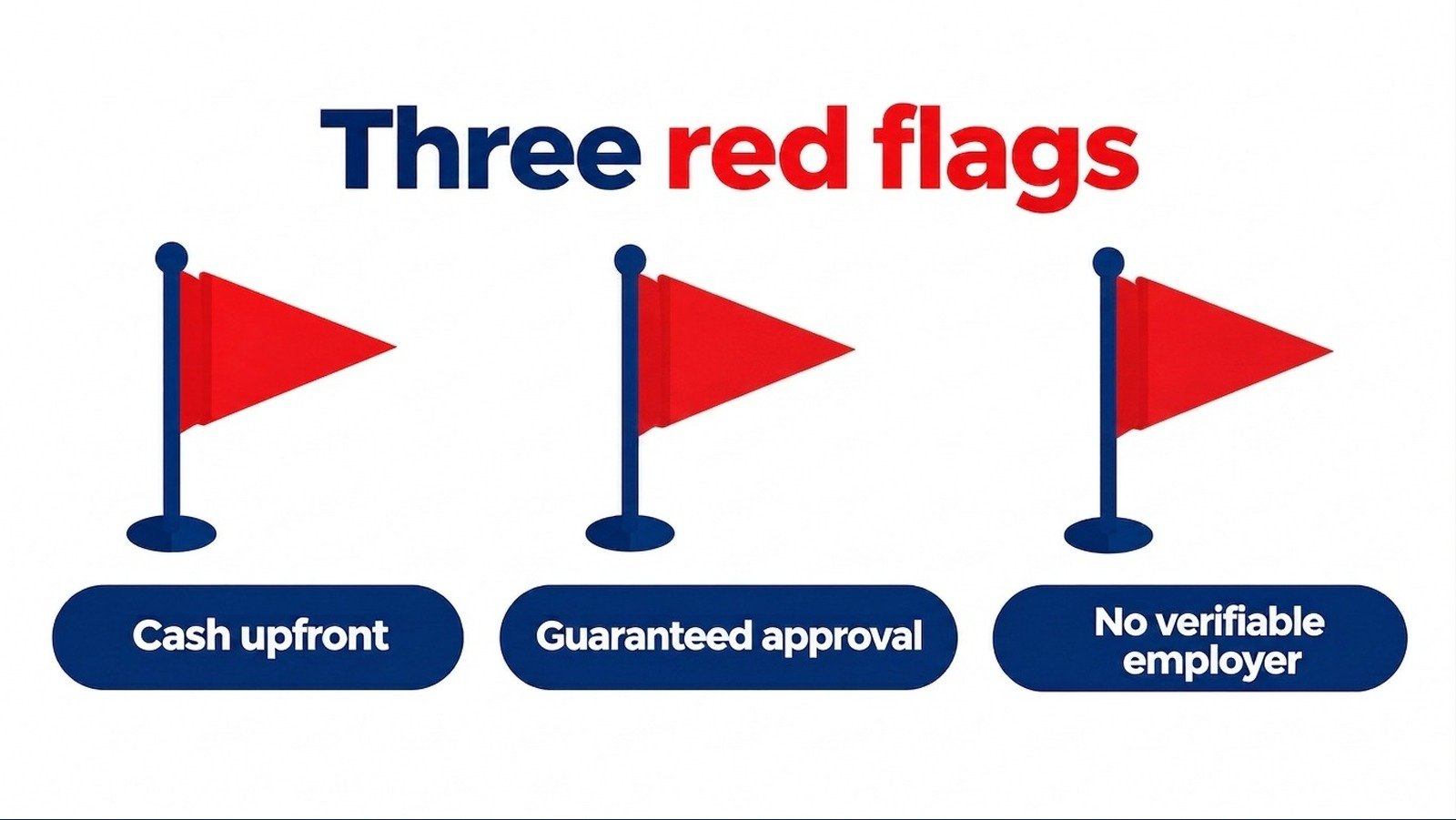
How Do You Read a Quote Properly?
Ask one question: which part of this is the government fee and which part is yours?
A firm working in good faith answers immediately, because the government number is public and fixed. A firm that gives you a single lump sum with no breakdown either does not want you comparing, or does not know the current fee schedule. Neither is a good sign.
Then compare quotes on scope rather than headline price. A cheaper quote usually means a narrower service, a less-verified employer relationship, or costs that appear later in the process. None of that is automatically dishonest, but it changes what you are buying.
Does a Cheap Permit Ever Cost More?
Frequently, and the arithmetic is simple. Poland’s 2026 minimum wage is PLN 4,806 per month, effective 1 January 2026 under a regulation of the Council of Ministers dated 11 September 2025. A job offer below that fails the legal minimum and puts the application at risk, and the fee is non-refundable when it fails.
So a low quote attached to a weak offer is not a saving. It is a cheaper way to lose PLN 400 plus whatever you paid in service fees, plus the months. Check the salary first, as set out in what factory workers in Poland actually earn.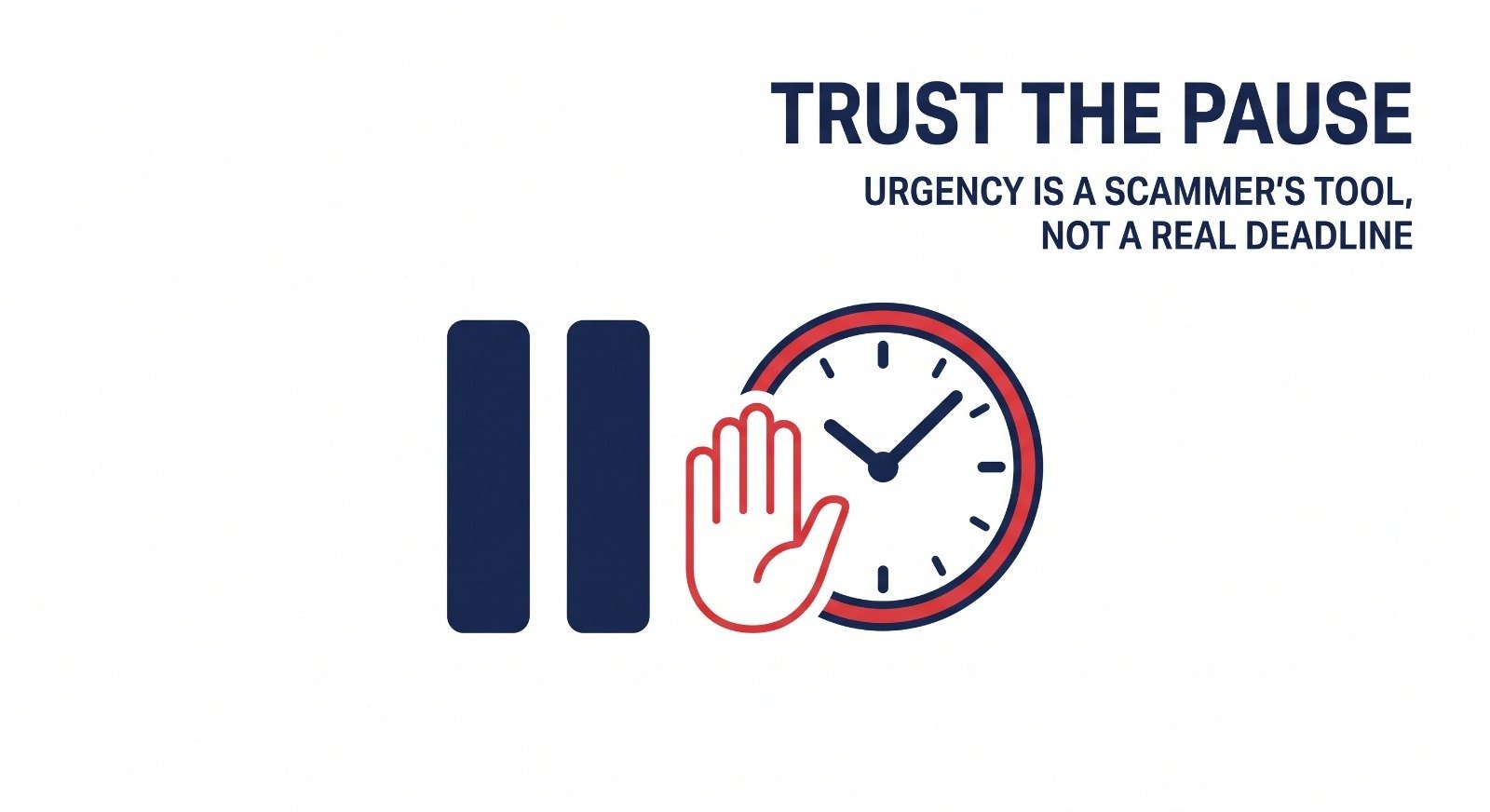
What Should You Do Before You Pay Anyone?
Confirm the job offer clears PLN 4,806 a month. Ask for the PLN 400 government fee and the service fee as two separate written lines. Confirm the employer is named. Check that whoever is quoting you knows the fees changed in December 2025, because that single question tells you how current their information is.
If you want a quote reviewed against the real fee schedule before you commit, send it to the Rapidline team on WhatsApp and we will walk you through what each line is.


Rapidline Immigraion